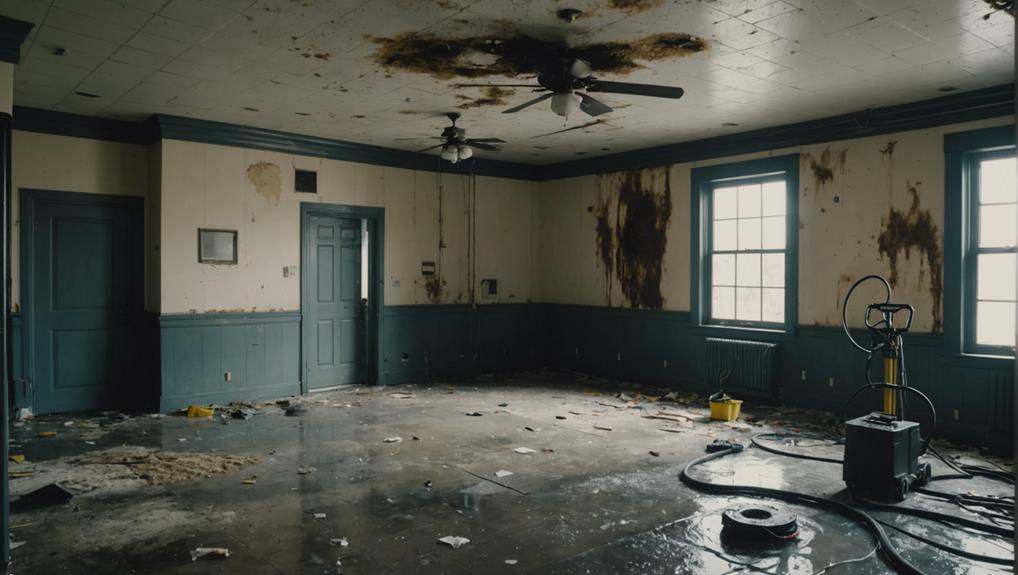
Why Lynchburg Homes Need Professional Mold Remediation
Lynchburg Mold Remediation provides certified mold remediation in Lynchburg, VA, for residential and commercial properties across zip codes 24501 through 24504. The city’s humid subtropical climate produces average relative humidity levels near 70%, creating ideal conditions for mold colonization in basements, crawlspaces, and attics. Properties near the James River face elevated flood risk, which compounds moisture intrusion in older foundations.
Many Lynchburg homes were built between the 1900s and 1960s using brick and wood framing that lacks modern moisture barriers. Neighborhoods like Tinbridge Hill, Daniels Hill, and College Hill contain historic structures especially vulnerable to mold behind plaster walls and in unventilated crawlspaces. Seasonal flooding along the James River watershed further elevates mold risk for properties in low-lying areas throughout the city.
If you suspect mold growth in your Lynchburg home or business, contact Lynchburg Mold Remediation at (434) 287-8922 for a free inspection. Our IICRC-certified technicians use moisture meters and thermal imaging to identify hidden mold colonies before they spread. Early detection reduces remediation costs and protects your family’s health.
📞 Get Help Now — (434) 287-8922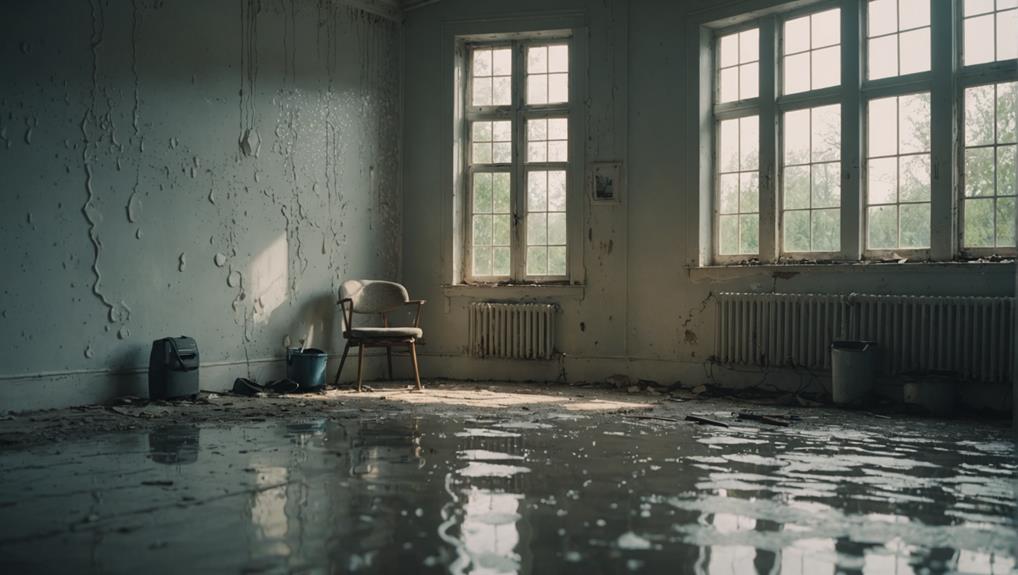
Mold Remediation Service Specifications
Every Lynchburg mold remediation project follows IICRC S520 standards with documented protocols. We provide detailed scope-of-work documents and post-remediation clearance testing reports for every job.
- Response Time:
- Under 30 minutes for emergency calls within Lynchburg city limits; same-day service for standard appointments in surrounding areas
- Service Area:
- Lynchburg (24501, 24502, 24503, 24504), Forest (24551), Bedford (24523), Madison Heights (24572), Moneta (24121), and Campbell County
- Certifications:
- IICRC S520 Standard for Professional Mold Remediation; Virginia DPOR contractor license; NORMI-certified mold assessors
- Equipment & Technology:
- HEPA air scrubbers, negative air machines, commercial dehumidifiers, infrared thermal cameras, pin-type and pinless moisture meters, ATP testing equipment
- Pricing:
- $10–$15 per square foot; residential projects typically range from $500 to $3,000 depending on affected area and mold species
- Insurance:
- General liability coverage up to $1 million; workers’ compensation on all technicians; certificate of insurance available upon request
- Guarantee:
- 1-year written mold-free guarantee on all treated areas; post-remediation clearance testing by independent third-party lab included
Common Causes of Mold Growth in Lynchburg Homes & Businesses
Lynchburg’s geographic position along the James River and its humid subtropical climate (Köppen Cfa) create specific mold risk factors. Understanding these local causes helps property owners act before small problems become large remediation projects.
James River Flooding & Stormwater Intrusion
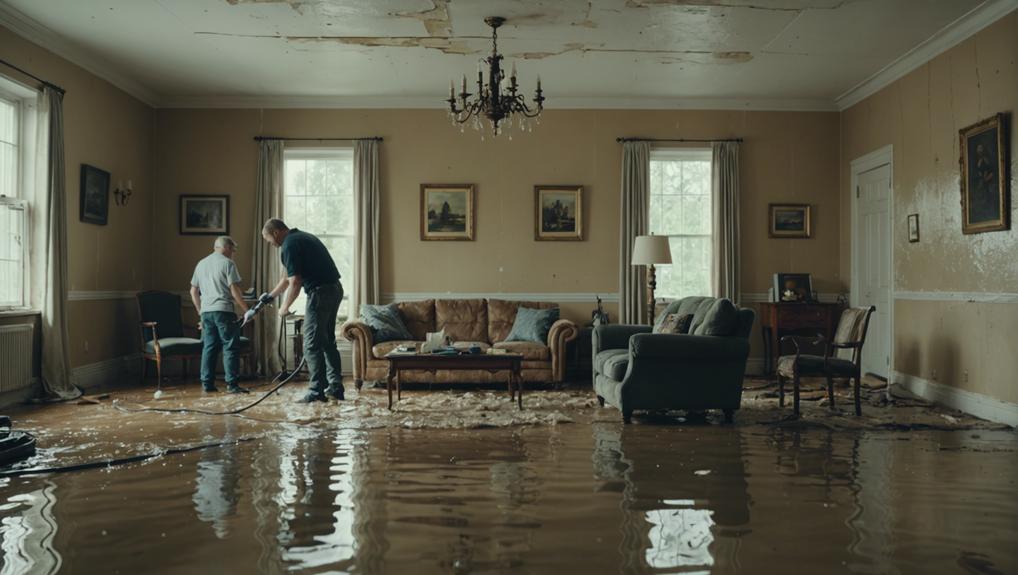
Properties in Lynchburg’s floodplain zones near the James River and Blackwater Creek experience periodic flooding that saturates foundations and crawlspaces. Standing water that remains for more than 48 hours produces mold colonies in subfloor structures. Homes along Rivermont Avenue and in the Riverside Park area face heightened risk after heavy rainfall events.
Historic Home Construction in Tinbridge Hill & Daniels Hill
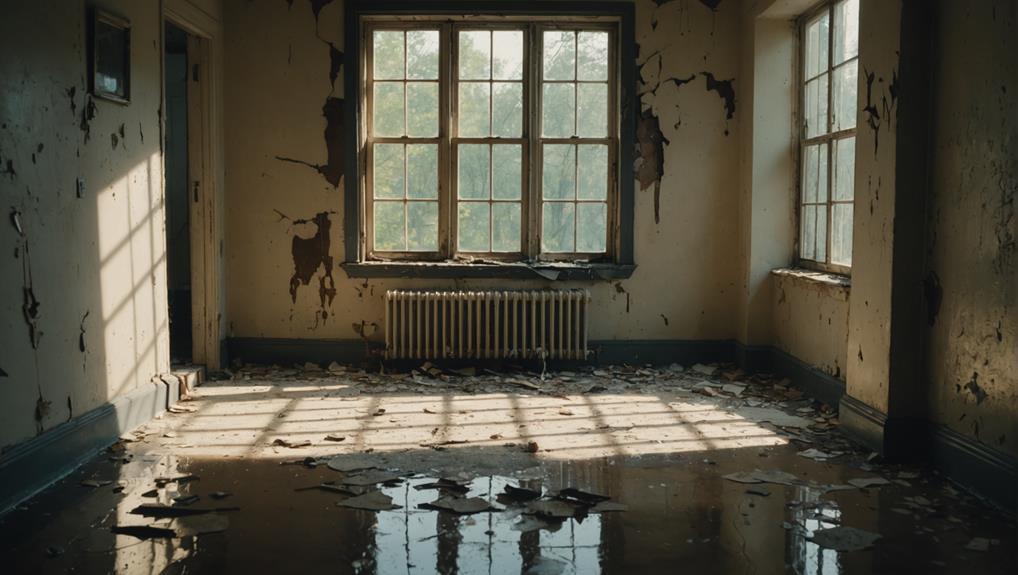
Lynchburg’s historic districts contain homes built between 1880 and 1940 with minimal vapor barriers and plaster-on-lath walls. Neighborhoods like Tinbridge Hill and Daniels Hill have brick structures where moisture wicks through mortar joints into interior wall cavities. These hidden moisture pathways allow mold to grow undetected for months behind original plaster.
Humid Subtropical Climate & Seasonal Condensation
Lynchburg’s average summer relative humidity reaches approximately 70%, with July and August producing the highest mold growth conditions. Temperature differentials between air-conditioned interiors and warm exterior air cause condensation on ductwork and cold-water pipes. Attic spaces in Boonsboro and Peakland homes without adequate ridge ventilation trap moisture that feeds mold growth on roof sheathing.
Crawlspace Moisture in College Hill & Forest
Many homes in College Hill and the Forest area of Bedford County sit on vented crawlspaces with exposed earth floors. Ground moisture evaporates into the crawlspace, creating relative humidity levels above 60% that sustain mold growth on floor joists. Without encapsulation and mechanical dehumidification, these crawlspaces become persistent sources of mold spores that migrate into living areas through the HVAC system.
Our 7-Step Mold Remediation Process
Every mold remediation project in Lynchburg follows our documented 7-step process aligned with IICRC S520 standards. This systematic approach ensures complete mold removal, prevents cross-contamination, and provides verified clearance testing.
-
Step 1: Emergency Contact & Scheduling
Call (434) 287-8922 for immediate assistance. Our dispatcher gathers property details, mold location, and any water damage history. Emergency calls within Lynchburg city limits receive a technician response in under 30 minutes.
-
Step 2: On-Site Inspection & Moisture Mapping
A certified technician inspects the affected area using infrared thermal imaging and pin-type moisture meters. We map all moisture sources, identify the mold species visually, and document findings with photographs. This assessment determines the scope of work and estimated cost.
-
Step 3: Containment & Negative Air Pressure
We isolate the affected area using 6-mil polyethylene sheeting and establish negative air pressure with HEPA-filtered air scrubbers. This containment prevents mold spores from spreading to unaffected rooms during remediation. HVAC registers in the work zone are sealed to prevent ductwork contamination.
-
Step 4: HEPA Air Filtration
Commercial HEPA air scrubbers filter airborne mold spores down to 0.3 microns at 99.97% efficiency. Air scrubbers run continuously throughout the remediation process. We position units strategically to create directional airflow that pulls contaminated air through the filtration system.
-
Step 5: Mold Removal & Material Disposal
Technicians in full PPE remove mold-contaminated materials including drywall, insulation, and carpet padding. Salvageable surfaces such as wood framing are treated with HEPA vacuuming and wire brushing. All contaminated materials are double-bagged in 6-mil poly bags and disposed of according to Virginia DEQ guidelines.
-
Step 6: Antimicrobial Treatment & Encapsulation
After removal, we apply EPA-registered antimicrobial agents to all surfaces in the remediation zone. Wood framing and subfloor materials receive encapsulant coating to prevent future mold colonization. We address the original moisture source with repairs or recommendations for waterproofing, drainage, or dehumidification.
-
Step 7: Clearance Testing & Final Documentation
An independent third-party laboratory collects post-remediation air samples and surface swabs to verify mold levels meet acceptable thresholds. You receive a clearance report, before-and-after photos, and your 1-year written mold-free guarantee. We also provide a maintenance checklist specific to your property’s risk factors.
Timeline & Costs for Lynchburg Mold Remediation Projects
Mold remediation costs in Lynchburg, VA, depend on the affected area size, mold species, material type, and accessibility. Below are typical ranges based on completed projects in the Lynchburg area.
| Project Type | Common Location | Affected Area | Estimated Cost | Typical Timeline |
|---|---|---|---|---|
| Small Surface Mold | Bathroom, window frames | Under 10 sq ft | $500–$1,000 | 1 day |
| Moderate Mold Growth | Basement wall, laundry room | 10–100 sq ft | $1,000–$2,500 | 2–3 days |
| Large-Scale Remediation | Crawlspace, full basement | 100–300 sq ft | $2,500–$5,000 | 3–5 days |
| Extensive Structural Mold | Whole-house, post-flood | 300+ sq ft | $5,000–$10,000+ | 5–7 days |
All estimates reflect typical Lynchburg-area project costs as of 2025. Actual pricing varies based on mold species, material type, accessibility, and required structural repairs. Contact us at (434) 287-8922 for a free on-site inspection and written estimate.
Why Choose Lynchburg Mold Remediation
Lynchburg Mold Remediation combines IICRC S520 certification with specific expertise in Lynchburg’s historic housing stock and humid climate conditions. We focus exclusively on mold remediation, which means every technician, piece of equipment, and protocol is dedicated to solving mold problems in Central Virginia properties.
IICRC S520 Certified Process
Every project follows the IICRC S520 Standard for Professional Mold Remediation. This nationally recognized protocol governs containment setup, air filtration, removal techniques, and clearance testing. Our technicians maintain current IICRC certification with annual continuing education.
Lynchburg Climate & Construction Expertise
We understand how Lynchburg’s 70% average humidity, James River flooding patterns, and historic brick-and-wood construction create unique mold conditions. Our moisture mapping process accounts for plaster-on-lath walls, unencapsulated crawlspaces, and the specific foundation types found in neighborhoods like Tinbridge Hill and Daniels Hill.
Independent Clearance Testing
Post-remediation air and surface samples are collected and analyzed by an independent third-party laboratory—not by our own technicians. This separation between remediation and testing follows EPA guidelines and ensures unbiased verification that mold levels meet acceptable thresholds.
1-Year Written Mold-Free Guarantee
Every completed project includes a 1-year written guarantee covering the treated area against mold regrowth. If mold returns in the remediation zone within 12 months, we re-treat the area at no additional cost. This guarantee is documented and transferable to new property owners.
DIY vs. Professional Mold Remediation in Lynchburg
| Factor | DIY Approach | Professional Mold Remediation |
|---|---|---|
| Effectiveness on Porous Materials | ✗ Surface cleaning only; bleach cannot penetrate porous materials like drywall and wood framing | ✓ Complete removal of contaminated materials with antimicrobial treatment of structural components |
| Cross-Contamination Risk | ✗ High risk; disturbing mold without containment spreads spores to unaffected rooms via HVAC | ✓ Negative air pressure containment with HEPA filtration prevents spore migration |
| Hidden Mold Detection | ✗ Limited to visible surfaces; no ability to detect mold inside wall cavities or under flooring | ✓ Infrared thermal imaging and moisture meters locate hidden mold colonies behind walls and in subfloors |
| Health Protection | ✗ Standard dust mask provides inadequate protection from mycotoxins and airborne spores | ✓ Full PPE including respirators, Tyvek suits, and eye protection per OSHA standards |
| Clearance Verification | ✗ No post-treatment testing; no way to confirm mold levels are acceptable | ✓ Independent third-party lab testing verifies air and surface mold levels meet safe thresholds |
| Cost Over Time | ✗ Initial cost $50–$200 but mold regrowth common within weeks, leading to repeated treatments | ✓ One-time cost of $500–$5,000+ with 1-year written guarantee against regrowth in treated area |
What to Expect When You Call
When you call (434) 287-8922, our dispatcher will gather your property details and schedule a technician visit—emergency calls receive response in under 30 minutes within Lynchburg city limits. During the free inspection, a certified technician uses thermal imaging and moisture meters to assess the full extent of mold growth and moisture intrusion. You receive a written scope of work with itemized costs before any remediation begins. Throughout the project, your assigned project manager provides daily progress updates by phone or text, and after clearance testing confirms successful remediation, you receive your 1-year written mold-free guarantee and complete documentation package.
Common Mold Remediation Project in Lynchburg
📍 Typical Mold Remediation Project: Post-Flood Basement in Lynchburg 24501
- Typical Scenario:
- A homeowner in the 24501 zip code near the James River discovered black mold growth on basement walls and floor joists after spring flooding. Approximately 200 square feet of finished basement had visible mold on drywall, and moisture readings indicated elevated levels in the adjacent crawlspace. The homeowner reported musty odors and increased allergy symptoms in the household.
- Our Approach:
- Technicians established full containment with negative air pressure and HEPA air scrubbers in the basement and crawlspace. Contaminated drywall, insulation, and carpet padding were removed and disposed of per Virginia DEQ guidelines. Exposed framing was HEPA-vacuumed, wire-brushed, and treated with EPA-registered antimicrobial agents, followed by encapsulant application on all structural wood surfaces.
- Typical Outcome:
- The project was completed in 3 days at a cost of $1,800. Independent third-party clearance testing confirmed mold spore counts within normal ranges. A commercial-grade dehumidifier was recommended to maintain crawlspace humidity below 50%. The homeowner received a 1-year written mold-free guarantee on all treated areas.
Local Lynchburg Mold Risks & Prevention Strategies
James River Corridor & Low-Lying Neighborhoods
Properties along Rivermont Avenue and near Blackwater Creek sit in flood-prone zones where stormwater intrusion creates persistent moisture problems. After any flooding event, basements and crawlspaces should be dried within 48 hours to prevent mold colonization. Property owners in these areas should consider sump pump installation and foundation waterproofing as preventive measures.
Historic Districts: Tinbridge Hill, Daniels Hill & College Hill
Lynchburg’s historic homes built before 1940 often lack vapor barriers, modern insulation, and adequate ventilation. Brick walls in Tinbridge Hill and Daniels Hill wick moisture through mortar joints, creating hidden mold growth behind plaster. Annual moisture inspections of wall cavities and crawlspaces can detect problems before they require extensive remediation.
Suburban Crawlspaces: Boonsboro, Peakland & Forest
Many homes in Boonsboro, Peakland, and the Forest area have vented crawlspaces with exposed earth floors. Virginia’s humid summers push moisture-laden air into these spaces, where it condenses on cooler surfaces. Crawlspace encapsulation with a vapor barrier and mechanical dehumidification is the most effective long-term prevention method for these properties.
Virginia Building Code & Moisture Standards
The Virginia Uniform Statewide Building Code requires moisture control in crawlspaces and basements for new construction and major renovations. Property owners performing renovations should verify that contractors install code-compliant vapor barriers and ventilation systems. The Virginia Department of Professional and Occupational Regulation (DPOR) oversees contractor licensing for mold remediation work in the state.
Prevention Checklist for Lynchburg Property Owners
- Maintain indoor relative humidity below 50% using dehumidifiers, especially during Lynchburg’s humid summer months (June–September)
- Inspect crawlspaces and basements quarterly for moisture, condensation, or musty odors
- Clean gutters and extend downspouts at least 6 feet from the foundation to prevent water pooling
- Repair roof leaks, plumbing leaks, and window condensation within 48 hours of detection
- Ensure bathroom and kitchen exhaust fans vent directly to the exterior, not into the attic
- Consider crawlspace encapsulation with a 20-mil vapor barrier for homes with vented crawlspaces
- Schedule annual HVAC inspections including ductwork examination for moisture and mold growth
- After any James River area flooding, have a professional moisture assessment within 24 hours
Insurance Claims Assistance for Lynchburg Mold Remediation
Many homeowners insurance policies in Virginia cover mold remediation when the mold results from a “covered peril” such as a burst pipe, appliance malfunction, or storm damage. However, mold caused by deferred maintenance, chronic humidity, or gradual leaks is typically excluded from standard policies. Understanding your policy’s mold coverage limits—which in Virginia often range from $5,000 to $10,000—is essential before filing a claim.
Lynchburg Mold Remediation documents every project with detailed moisture readings, photographs, laboratory reports, and itemized invoices formatted for insurance submission. Our team works directly with your insurance adjuster to provide the documentation required for claim approval. Call (434) 287-8922 to discuss your specific coverage situation during your free inspection.
Our 5-Step Insurance Claim Process
- Review your homeowners policy to identify mold coverage limits and covered perils during the initial inspection
- Document all mold damage with moisture readings, thermal images, air sample results, and timestamped photographs
- Prepare a detailed scope-of-work estimate with line-item costs formatted to match insurance adjuster requirements
- Coordinate directly with your insurance adjuster for on-site inspections and supplemental documentation requests
- Submit final clearance test results and completion documentation to support full claim reimbursement
Covered vs. Non-Covered Mold Claims
In Virginia, mold from sudden events (burst pipes, storm damage, appliance failure) is typically covered. Mold from chronic humidity, deferred maintenance, or gradual leaks is usually excluded. Your policy’s “mold cap” may limit coverage to $5,000–$10,000. We help you determine coverage during your free inspection.
Direct Insurance Billing
We submit documentation directly to your insurance carrier, including moisture maps, lab reports, before-and-after photos, and itemized invoices. This reduces your administrative burden and helps expedite claim processing. We accept assignment of benefits where your policy allows.
Certifications & Equipment We Use
Industry Certifications
Our technicians hold current IICRC S520 certification for Professional Mold Remediation, which requires documented training in containment, removal, and clearance protocols. We also maintain NORMI (National Organization of Remediators and Mold Inspectors) certification for mold assessment. Our Virginia DPOR contractor license is verifiable through the Department of Professional and Occupational Regulation’s online lookup system.
Compliance & Standards
All remediation work follows the ANSI/IICRC S520 Standard, EPA mold remediation guidelines, and OSHA respiratory protection standards (29 CFR 1910.134). Post-remediation clearance testing is performed by an independent laboratory using ASTM D7338 air sampling methodology. Our antimicrobial products are EPA-registered and approved for indoor use on porous and non-porous surfaces.
Equipment Deployed on Every Project
- HEPA Air Scrubbers — Filter airborne particles down to 0.3 microns at 99.97% efficiency; run continuously during remediation to capture mold spores
- Negative Air Machines — Create negative pressure within containment zones to prevent mold spore migration to unaffected areas of the property
- Infrared Thermal Cameras — Detect temperature differentials in walls, ceilings, and floors that indicate hidden moisture intrusion and potential mold growth
- Pin-Type & Pinless Moisture Meters — Measure moisture content in wood, drywall, and concrete to map the full extent of water damage and verify post-remediation drying
- Commercial Dehumidifiers — LGR (low-grain refrigerant) units extract up to 30 gallons per day to reduce ambient humidity during and after remediation
- ATP Bioluminescence Testing — Provides rapid on-site verification of surface cleanliness by measuring adenosine triphosphate levels on treated surfaces
Why You Can Trust Lynchburg Mold Remediation
Virginia DPOR licensed contractor with general liability coverage up to $1 million and workers’ compensation on all technicians
All technicians hold current IICRC S520 certification for Professional Mold Remediation with annual continuing education
Emergency mold remediation available around the clock. Call (434) 287-8922 for under-30-minute response within Lynchburg city limits
Written 1-year guarantee on all treated areas. If mold returns in the remediation zone within 12 months, we re-treat at no cost
Serving Lynchburg and Surrounding Communities
Lynchburg Mold Remediation serves Lynchburg and surrounding communities with emergency response times under 30 minutes within city limits and same-day service throughout the greater region.
Zip codes served: 24501 • 24502 • 24503 • 24504 • 24517 • 24521 • 24523 • 24551 • 24572 • 24588 and surrounding Campbell, Bedford & Amherst counties.
Frequently Asked Questions About Mold Remediation in Lynchburg, VA
How long does mold remediation take in Lynchburg?
Most residential mold remediation projects in Lynchburg take 1 to 7 days depending on the affected area. Small projects under 10 square feet typically require 1 day. Moderate basement or crawlspace remediation covering 10 to 100 square feet takes 2 to 3 days. Large-scale projects involving 300+ square feet of structural mold may require 5 to 7 days including drying time and clearance testing.
What does mold remediation cost in Lynchburg, VA?
Mold remediation in Lynchburg, VA, typically costs $10 to $15 per square foot, with most residential projects ranging from $500 to $5,000. A small bathroom mold issue may cost $500 to $1,000, while a full basement remediation can reach $2,500 to $5,000. Costs vary based on mold species, affected materials, accessibility, and required structural repairs. We provide free on-site inspections with written estimates before any work begins.
Does homeowners insurance cover mold remediation in Virginia?
Virginia homeowners insurance typically covers mold remediation when the mold results from a covered peril such as a burst pipe, appliance leak, or storm damage. Mold caused by chronic humidity, deferred maintenance, or gradual leaks is usually excluded. Most Virginia policies include mold coverage caps ranging from $5,000 to $10,000. We document every project with detailed reports formatted for insurance claim submission and work directly with your adjuster.
Can I stay in my home during mold remediation?
For small, contained projects in a single room, most Lynchburg homeowners can remain in the home while remediation is underway. The affected area is sealed with polyethylene sheeting and kept under negative air pressure to prevent spore migration. For large-scale projects affecting multiple rooms or the HVAC system, temporary relocation for 2 to 5 days may be recommended, especially for households with young children, elderly residents, or individuals with respiratory conditions.
How do I prevent mold from returning after remediation?
Controlling moisture is the single most effective way to prevent mold regrowth in Lynchburg homes. Maintain indoor relative humidity below 50% using dehumidifiers, especially during Lynchburg’s humid summer months. Address the original moisture source—whether a plumbing leak, foundation crack, or inadequate ventilation. For crawlspace-prone homes in areas like College Hill and Forest, encapsulation with a vapor barrier and mechanical dehumidification provides long-term protection.
What is the difference between mold testing and mold remediation?
Mold testing identifies the presence, species, and concentration of mold through air samples and surface swabs analyzed by a laboratory. Mold remediation is the physical removal and treatment process that eliminates the mold colony and contaminated materials. Testing before remediation establishes a baseline; testing after remediation (clearance testing) verifies that mold levels have returned to acceptable thresholds. The EPA recommends that testing and remediation be performed by separate entities to avoid conflicts of interest.
Do you handle crawlspace mold remediation in Lynchburg?
Yes, crawlspace mold remediation is one of our most common services in Lynchburg. Many homes in Boonsboro, Peakland, Forest, and College Hill have vented crawlspaces with exposed earth floors that trap moisture and promote mold growth on floor joists and subfloor sheathing. Our process includes full containment, HEPA filtration, mold removal, antimicrobial treatment, and recommendations for encapsulation and dehumidification to prevent recurrence.
Are you available 24/7 for emergency mold remediation in Lynchburg?
Yes, Lynchburg Mold Remediation provides 24-hour emergency mold remediation in Lynchburg and surrounding areas. Call (434) 287-8922 any time, day or night. Emergency calls within Lynchburg city limits receive a technician response in under 30 minutes. After-hours and weekend calls for surrounding areas in Bedford, Amherst, and Campbell counties receive same-day service.
What Virginia regulations apply to mold remediation?
Virginia does not have a standalone mold remediation licensing statute, but contractors performing remediation must hold a valid Virginia DPOR (Department of Professional and Occupational Regulation) contractor license. The Virginia DEQ (Department of Environmental Quality) oversees environmental standards that apply to waste disposal during remediation. Industry-standard IICRC S520 protocols serve as the accepted professional benchmark. All Lynchburg Mold Remediation technicians maintain current DPOR licensing and IICRC S520 certification.
How do I know if there is hidden mold in my Lynchburg home?
Hidden mold is common in Lynchburg’s older homes, particularly behind plaster walls in historic districts and in unventilated crawlspaces. Warning signs include persistent musty odors, unexplained allergy symptoms, visible water stains on ceilings or walls, and peeling paint or wallpaper. Our technicians use infrared thermal cameras to detect temperature anomalies that indicate moisture behind walls, and pin-type moisture meters to verify elevated moisture content in building materials. A free inspection can determine whether hidden mold is present.
Service Guarantees
1-Year Written Mold-Free Guarantee
Every completed remediation project includes a written guarantee that the treated area will remain mold-free for 12 months. If mold regrows in the remediation zone within the guarantee period, we return and re-treat at no additional cost. This guarantee is documented and transferable to new property owners during the coverage period.
Independent Third-Party Clearance Testing
Post-remediation air and surface samples are collected and analyzed by an independent laboratory—not by our technicians. This separation follows EPA guidelines to ensure unbiased results. You receive a formal clearance report confirming that mold spore counts meet acceptable levels before the project is considered complete.
IICRC S520 Protocol Compliance
Every project follows the IICRC S520 Standard for Professional Mold Remediation from initial assessment through clearance testing. This nationally recognized standard governs containment procedures, air filtration requirements, removal techniques, and documentation. Our compliance is verifiable through IICRC’s online registry.
Transparent Written Estimates
You receive a detailed written scope of work with itemized costs before any remediation begins. There are no hidden fees or unexpected charges. If additional work becomes necessary after containment is established, we contact you with a revised estimate for approval before proceeding.
Get Fast, Professional Mold Remediation in Lynchburg Today
Mold spreads rapidly in Lynchburg’s humid climate—colonies can double in size within 24 to 48 hours. Call Lynchburg Mold Remediation at (434) 287-8922 now for a free inspection and same-day emergency response. Every hour of delay increases remediation costs and health exposure risks.
📞 (434) 287-8922Call Now — Free Assessment